Britain's Betting Halls Buzz with Tech and Tighter Rules
10 Apr 2026
UK Gambling Commission Rolls Out Updated Notification Rules for Casinos Handling Money Services

The Latest Move in Regulatory Oversight
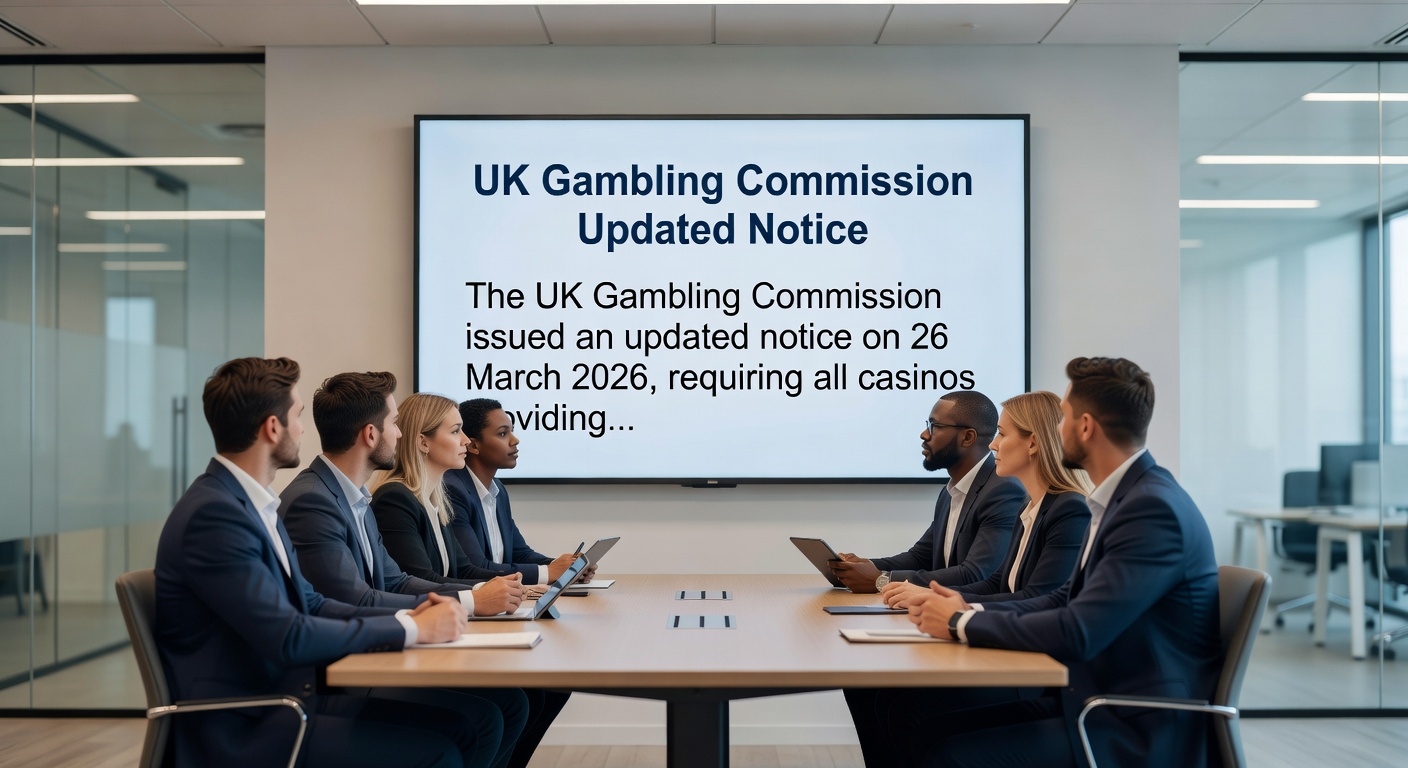
The UK Gambling Commission has issued an updated notice that zeroes in on casinos offering money service business activities, requiring them to notify the regulator within 10 days of either starting or stopping such services; this step ensures tighter tracking of operations like third-party cheque cashing, money transfers, or foreign currency exchange, all while casinos maintain their core gambling licenses.
Details submitted must include the casino's full name, licence number, precise start or stop dates for the MSB activities, and the specific type of service provided, so the Commission can keep a sharp eye on compliance across the board. And compliance doesn't stop there; casinos handling these services also need to align with the Payment Services Regulations 2017, securing authorisation from the Financial Conduct Authority where required, since these rules bridge gambling operations with broader financial oversight.
What's interesting here is how this update builds directly on a notice from February 2026, which first spotlighted the need for casinos to register as money service businesses with HMRC; that earlier directive aimed to bolster anti-money laundering efforts, and now, with this refreshed guidance in early 2026—right around April when many operators review their setups—this new layer adds notification speed and detail to the mix.
Breaking Down Money Service Business Activities
Casinos in the UK have long provided conveniences like cashing cheques from third parties, facilitating international money transfers, or exchanging foreign currencies on-site, services that attract players from abroad or those preferring quick cash access without banking delays; yet these extras classify them as money service businesses under regulatory eyes, subjecting them to stringent checks against illicit finance flows.
Take one land-based casino operator who expanded into currency exchange to serve high-roller tourists; they discovered early on that such activities trigger MSB status, prompting registrations that link back to HMRC requirements outlined in the February 2026 notice, where failure to register could lead to penalties or license reviews. Now, with the update, that same operator must ping the Gambling Commission within 10 business days of any change, submitting forms packed with identifiers like licence numbers—think ABC123456—to avoid slipping through cracks in the system.
Experts who've tracked these regulations note that the 10-day window strikes a balance, fast enough for real-time oversight yet practical for busy casino compliance teams juggling daily operations; it's not rocket science, but getting the details right, from MSB type codes to exact dates, keeps everything above board.
Strengthening Anti-Money Laundering Defenses
But here's the thing: this updated notice isn't happening in a vacuum; data from regulatory bodies shows money laundering risks spiking in gaming venues where cash flows freely, so linking MSB notifications to HMRC registrations and FCA authorisations creates a fortified chain against criminal exploitation. Observers point out that casinos, with their mix of high-volume transactions and international clientele, become prime spots for layering dirty money through cheque cashing or transfers, which is why the Commission mandates these swift reports.
Consider a case where a casino ceased foreign exchange services amid rising compliance costs; under the new rules, they notify within 10 days, providing stop dates and reasons if requested, ensuring the Commission updates its database promptly—turns out, this transparency helps auditors spot patterns, like clusters of casinos dropping services, which might signal broader industry shifts or risk hotspots. And since the Payment Services Regulations 2017 demand FCA nods for payment handling, non-compliance could halt operations entirely, a reality that operators ignore at their peril.
Those who've studied the landscape have observed how the February 2026 HMRC push laid groundwork, requiring MSB registration to track transmission businesses; now the update layers on Gambling Commission notifications, creating dual oversight that catches discrepancies fast, whether a venue starts cheque cashing for poker tourneys or winds down transfers post-pandemic travel dips.
What Casinos Need to Do Next
So, for UK casinos dipping into or out of MSB waters, the process boils down to quick action: gather the full name, licence number—often a six-digit combo like 789012—pinpoint the start or cessation date down to the day, specify the service (say, "third-party cheque cashing"), and fire off the notification via official channels; missing the 10-day mark invites scrutiny, potential fines, or deeper audits from the Commission.
Compliance teams often find that integrating this into existing anti-money laundering protocols smooths the ride, especially since PSR 2017 compliance involves safeguarding customer funds and transaction records; one operator shared how they automated MSB status checks in their software, flagging changes for instant reporting, a move that keeps them ahead of the curve as April 2026 deadlines loom for annual reviews.
Yet challenges persist; smaller casinos might struggle with FCA authorisation paperwork, which demands business plans, risk assessments, and capital proofs, but teh writing's on the wall—adapt or face restrictions on those lucrative side services that boost foot traffic and revenue.
Broader Industry Ripples
Across the sector, this update prompts a ripple effect; larger chains with multiple venues must coordinate notifications per site, ensuring each licence holder reports independently, while independents lean on legal advisors to decode MSB thresholds—like handling over £1,000 in transfers weekly, though exacts vary by activity. Researchers analyzing commission data indicate that enhanced tracking could reduce laundering incidents by up to 20% in high-risk spots, based on similar mandates elsewhere.
People in the know highlight how this fits into ongoing AML evolutions, from enhanced due diligence on VIPs to transaction monitoring tech; casinos providing money transfers, for instance, now cross-check with HMRC-registered statuses, closing loops that previous gaps left open. And as April 2026 unfolds, with tax seasons and license renewals aligning, operators ramp up internal audits, notifying the Commission on any MSB pivots amid economic pressures.
There's this case of a Midlands casino that launched currency exchange for Eurozone gamblers; they notified post-launch, submitted details seamlessly, and gained FCA green lights, turning a regulatory hoop into a competitive edge—proof that proactive steps pay off when the ball's in their court.
Conclusion
The Gambling Commission's updated notice on casino MSB activities marks a pivotal tighten-up, mandating 10-day notifications with precise details while reinforcing HMRC and FCA alignments to combat money laundering head-on; casinos now navigate these rules with clearer directives, building on February 2026 foundations to safeguard the industry's integrity. As operators submit their reports—full names, licence numbers, dates, and service types—the sector edges toward robust compliance, where conveniences like cheque cashing or transfers enhance play without compromising security. In the end, this framework ensures UK casinos thrive responsibly, keeping risks at bay as the regulatory landscape evolves.