19 Jul 2026
Interwoven Reward Systems: Combining Virtual Wheel Outcomes and Match Predictions on Mobile Devices
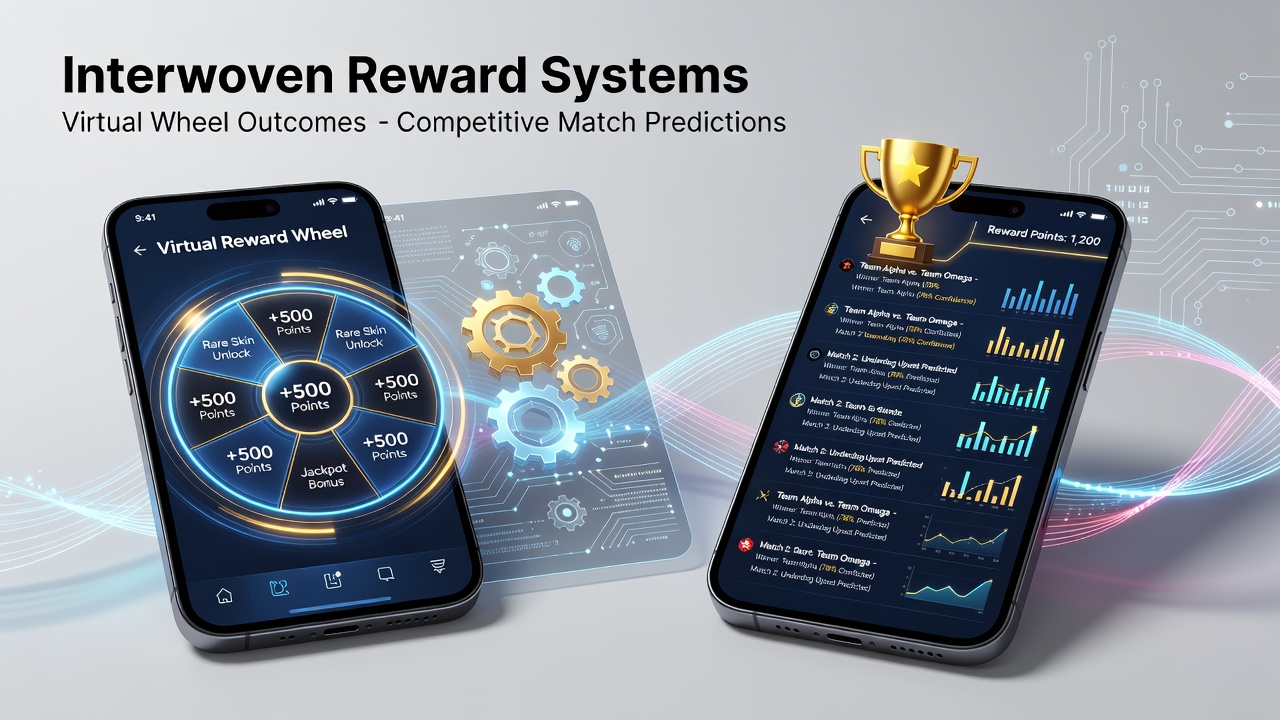
Integrated reward platforms now link outcomes from virtual wheel mechanisms directly to results from competitive match predictions, and these systems operate primarily through mobile interfaces that users access daily. Observers note that developers combine random wheel elements, such as segmented prize distributions and multiplier triggers, with structured prediction models based on team performance data and event statistics, which creates unified progression tracks for participants. Data released in July 2026 from industry tracking services shows mobile sessions involving these merged features increased by measurable margins compared with prior periods, while separate wheel and prediction activities declined in relative share.
Mechanics of Virtual Wheel Integration
Virtual wheels function as digital randomizers that assign outcomes across fixed segments including credit awards, bonus multipliers, and entry tokens for prediction contests, and mobile applications render these wheels with real-time animation synchronized to user inputs. When a wheel lands on a prediction-linked segment, the system automatically queues the user for upcoming match forecasts without requiring separate navigation, which streamlines participation across both activity types. Researchers from academic gaming studies have documented how this linkage reduces session fragmentation because players remain within one application environment rather than switching between dedicated casino and sportsbook modules.
Competitive Match Predictions as Reward Drivers
Match prediction modules require users to select outcomes for scheduled events across sports and esports categories, with accuracy determining points that feed back into wheel eligibility pools. These predictions incorporate variables such as historical team records, current form indicators, and venue-specific metrics, while the platform cross-references selections against live data feeds to validate results. When predictions succeed, accumulated points convert into additional wheel spins or enhanced segment probabilities, establishing a closed loop where forecasting accuracy directly influences random reward frequency. Figures from mobile analytics platforms indicate that users engaging in both prediction streaks and wheel activations maintain longer average session durations than those participating in isolated features.
Mobile Interface Design Elements
Mobile layouts present wheel and prediction components within tabbed or swipeable views that allow seamless transitions, and push notifications alert participants when new matches become available for forecasting or when wheel cooldown timers expire. Interface elements include progress bars tracking combined reward tiers, where wheel results and prediction successes contribute jointly toward level advancement. Accessibility features such as adjustable spin speeds and prediction summary cards accommodate varied user preferences while maintaining consistent data flow between the two systems. Industry reports from the American Gaming Association highlight that platforms adopting unified mobile dashboards report higher retention metrics across integrated reward programs.
One documented case involves a platform that introduced cross-feature tokens earned from accurate match calls, which then unlock exclusive wheel variants with elevated prize ceilings. Users who accumulated these tokens through consecutive correct predictions observed increased engagement with wheel mechanics, according to aggregated usage logs shared in developer briefings. This approach demonstrates how prediction performance serves as a gateway to varied wheel experiences rather than operating as an independent activity.
Data Synchronization and Reward Calibration
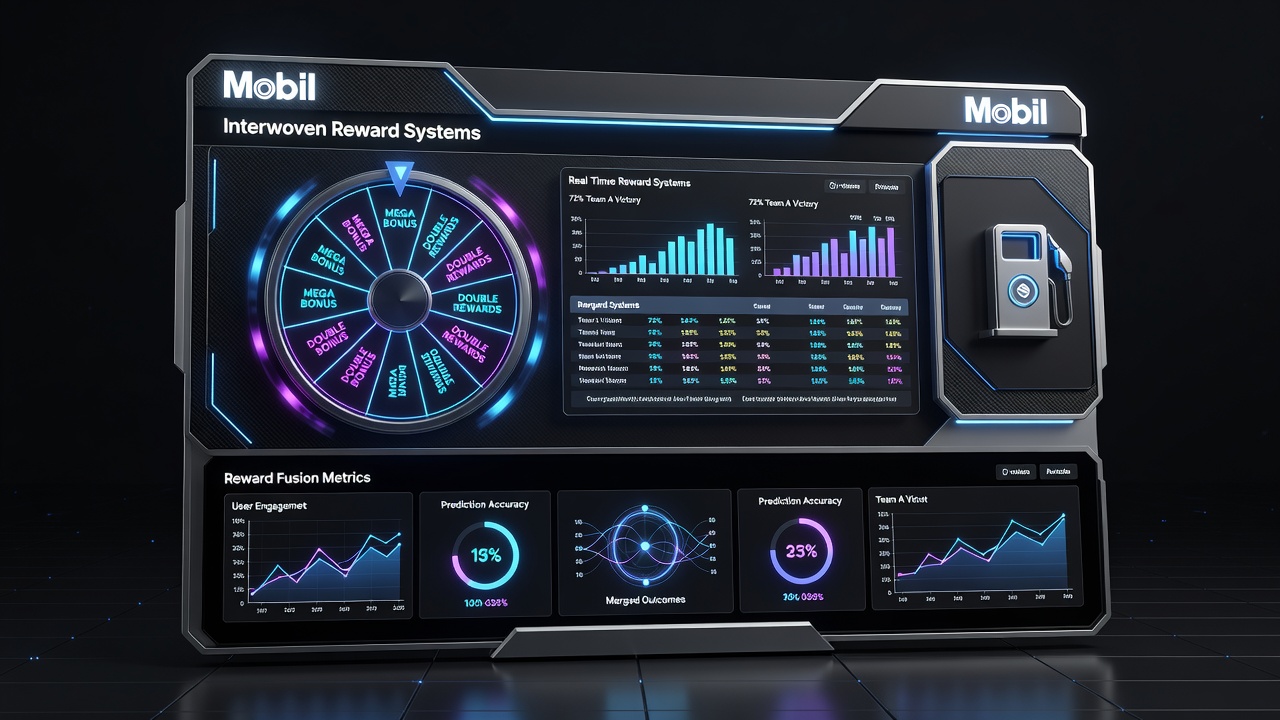
Backend systems synchronize wheel outcome probabilities with prediction accuracy rates to balance overall reward distribution, and calibration algorithms adjust segment weights based on aggregate user performance across both modules. When prediction success rates rise during major sporting events, the system may temporarily increase wheel payout thresholds to maintain equilibrium. External research published by the University of Nevada, Reno gaming laboratory outlines similar calibration methods in other hybrid gaming environments, noting that such adjustments help stabilize participant expectations over extended periods. Mobile applications implement these adjustments through server-side updates that require no user intervention, preserving continuity during active sessions.
Additional linkages appear in loyalty structures where combined activity across wheels and predictions accelerates tier progression, granting access to exclusive prediction contests or specialized wheel formats. These tiers operate on cumulative scoring systems that weigh both random outcomes and skill-based forecasts equally, which encourages consistent participation in whichever module aligns with individual preferences at any given time. Observers tracking platform updates in mid-2026 noted several operators expanding these tier benefits to include cross-category leaderboards that rank users by total merged activity rather than isolated metrics.
Regulatory Context Across Regions
Regulatory frameworks in multiple jurisdictions address the classification of merged reward systems, with agencies requiring clear separation between random and skill elements for compliance purposes. The Australian Communications and Media Authority has issued guidance documents on digital gaming interfaces that incorporate both chance and prediction components, emphasizing transparent disclosure of outcome probabilities. Similar oversight exists in Canadian provincial frameworks, where operators must demonstrate that prediction modules meet skill thresholds distinct from wheel randomization. These requirements influence how developers structure mobile interfaces to present each component distinctly while still allowing reward crossover.
Conclusion
Merged reward systems that connect virtual wheel outcomes with competitive match predictions continue to evolve on mobile platforms through synchronized mechanics, interface refinements, and calibrated reward structures. Usage data from July 2026 and subsequent periods reflects sustained interest in these integrated formats across varied user demographics. Platforms maintain operational balance through algorithmic adjustments and regulatory adherence, which supports ongoing development of hybrid features that link random and predictive elements within single applications.