Lights, Action, Jackpots: Unveiling the Pulse of Britain's Casino Boom
5 Apr 2026
UK Gambling Commission Tightens AML Rules for Casinos Running Money Service Businesses

The Latest Update from the Regulator
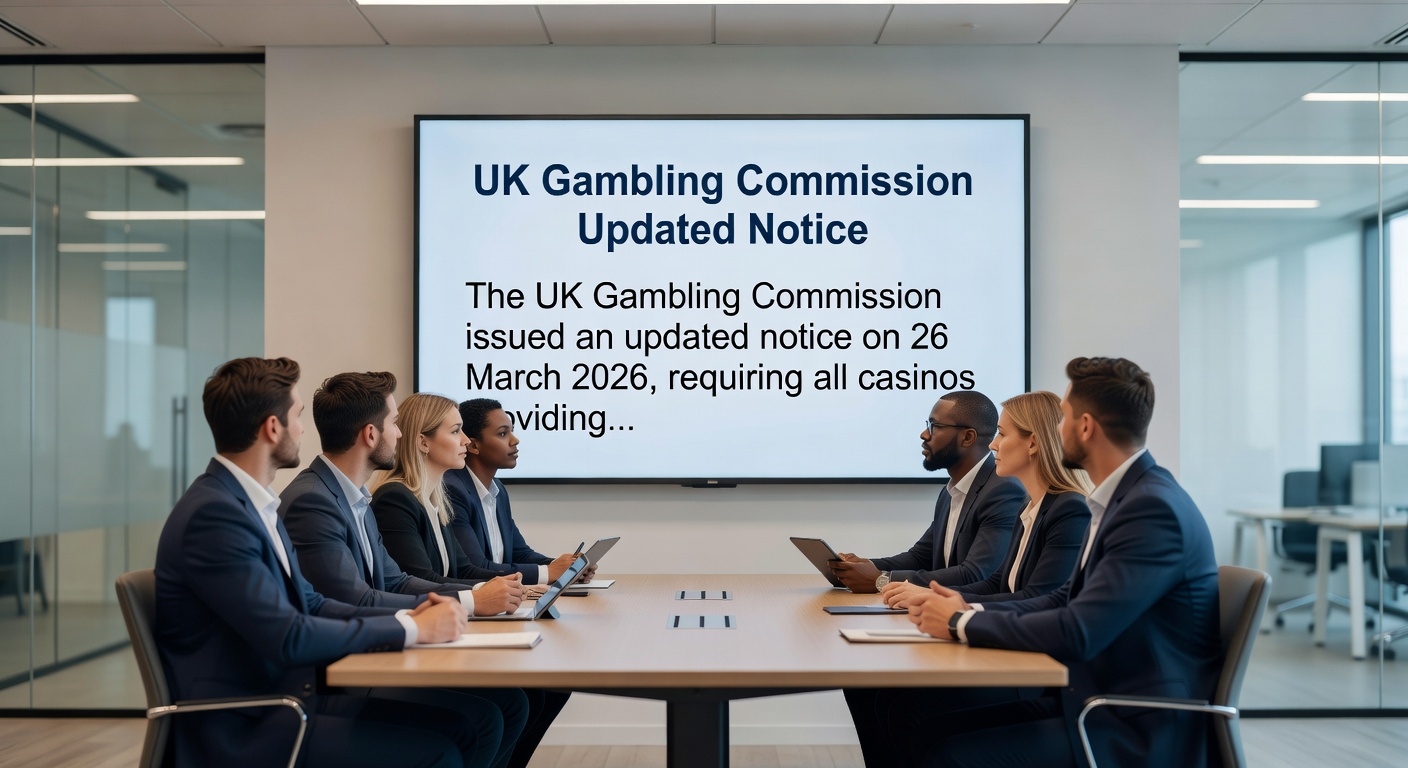
The UK Gambling Commission has rolled out an updated notice zeroing in on casinos that double as money service businesses (MSBs), a move that underscores the regulator's relentless push against money laundering in the gambling sector; this fresh guidance, posted on the Commission's official notices page, spells out clearer expectations for operators handling MSB activities like currency exchange or remittances alongside their gaming floors.
Operators now face sharpened scrutiny, especially those in land-based venues where cash flows freely, but the notice also nods toward remote operations that might dip into similar services; experts tracking these developments note how such businesses have long served as potential gateways for illicit funds, given the high volumes of cash and international patrons casinos attract.
And while the update builds on existing anti-money laundering (AML) frameworks, it zeroes in on MSBs with specific compliance checklists, ensuring casinos don't unwittingly facilitate dirty money under the guise of legitimate financial services.
What Counts as an MSB in a Casino Setting
Money service businesses encompass a range of activities—think foreign exchange bureaux tucked into casino lobbies, cheque cashing desks, or even wire transfer points—services that casinos sometimes provide to cater to high-rollers from abroad; data from regulatory filings shows these operations have grown alongside the UK's bustling casino scene, particularly in hubs like London and Manchester where international tourism fuels the action.
But here's the thing: when a casino licenses out space for an MSB or runs one in-house, it triggers dual oversight—not just Gambling Commission rules, but also those from the Financial Conduct Authority (FCA) under the Money Laundering Regulations 2017; the updated notice clarifies that gambling operators must treat these as high-risk zones, demanding enhanced due diligence on every transaction that smells even remotely suspicious.
Take one land-based casino operator who integrated an MSB booth years back to boost convenience for VIP clients; records indicate such setups processed millions in exchanges annually, yet gaps in monitoring allowed flagged transactions to slip through, prompting regulators to step up with this targeted refresh.
Key Changes in the Updated Notice
The document outlines mandatory risk assessments tailored to MSB integrations, requiring casinos to map out how these services intersect with gaming activities; for instance, operators must now verify customer identities more rigorously for any exchange over certain thresholds, cross-check against sanctions lists in real-time, and report suspicious patterns to the National Crime Agency without delay.
What's interesting is the emphasis on staff training—casino floor teams handling MSB desks get directives for ongoing programs that drill down into red flags like structuring deposits to evade limits or using gaming wins to clean funds; figures from prior Commission audits reveal that inadequate training contributed to 25% of AML breaches in inspected venues last year.
Yet the notice doesn't stop at procedures; it mandates robust record-keeping for up to five years, complete with transaction logs that link MSB activity directly to player accounts, making it easier for auditors to trace flows during spot checks.
Impacts on Land-Based and Remote Casino Operators
For brick-and-mortar casinos, the rubber meets the road in bustling environments where cash swaps happen amid slot spins and table games; the Commission highlights how these venues must segregate MSB operations physically and procedurally, installing CCTV over counters and appointing dedicated AML officers to oversee compliance daily.
Remote operators, though less common in MSB territory, aren't off the hook—those offering digital wallets or crypto ramps that mimic MSB functions face similar vetting, with the notice warning that any facilitation of peer-to-peer transfers could pull them into the net; observers point out this proactive stance aligns with EU trends post-Brexit, where digital laundering via gambling sites has spiked 40% according to Europol data.
So operators scrambling to adapt have until routine inspections ramp up—slated for mid-2026—to overhaul systems; one Midlands casino chain, for example, already announced investments in AI-driven transaction monitoring software to stay ahead, a pattern researchers expect to spread across the 140-plus licensed UK casinos.
Broader Context of AML Enforcement in UK Gambling
This update slots into a larger crackdown, where the Gambling Commission has levied over £100 million in fines for AML lapses since 2020; cases like the £26 million penalty on a major operator last year exposed how lax MSB oversight let criminal networks launder proceeds through poker rooms and roulette wheels.
Turns out, casinos rank high on the National Risk Assessment for money laundering, second only to real estate in vulnerability; the notice addresses this head-on by mandating annual independent audits for MSB-equipped sites, plus collaboration with law enforcement on intelligence sharing.
And as April 2026 approaches, whispers in industry forums suggest intensified enforcement tied to the Commission's upcoming AML strategy refresh, potentially introducing tech mandates like blockchain tracing for high-value exchanges—moves that could reshape how casinos balance customer service with ironclad compliance.
Compliance Steps Casinos Must Take Now
Operators start by conducting gap analyses against the new notice, pinpointing MSB touchpoints in their operations; next comes policy rewrites, embedding risk-based approaches that scale scrutiny with client profiles—low-risk tourists get basic checks, while politically exposed persons trigger deep dives.
Training rolls out quarterly, with simulations of laundering scenarios drawn from real Commission case studies; technology upgrades follow, integrating MSB data into central AML platforms that flag anomalies like rapid in-out cash cycles.
People who've navigated past notices often discover that early board-level buy-in prevents costly fines; one expert review of compliant venues found those with proactive MSB protocols cut breach rates by 60%, proving the payoff in diligence.
Stakeholder Reactions and Industry Ripple Effects
The British Casino Association welcomed the clarity, noting in statements that while burdens increase, the guidance averts ambiguity that plagued earlier rules; smaller independents, however, voice concerns over costs—upgrading a single MSB desk can run £50,000-plus, per trade estimates.
Yet larger groups like those behind Genting or Rank see it as table stakes for license retention, already piloting integrated compliance dashboards; this push also signals to international partners that UK casinos prioritize clean operations, potentially attracting legit high-stakes play amid global scrutiny.
It's noteworthy how the notice ties into the upcoming Gambling Act reforms, where AML provisions could gain statutory teeth by 2026, forcing even tighter alignments.
Wrapping Up the Regulatory Shift
The Gambling Commission's MSB notice marks a pivotal tighten-up in the fight against laundering through casinos, delivering operators a roadmap laced with accountability; land-based and remote players alike must pivot swiftly, weaving these rules into daily rhythms to sidestep penalties that have sunk lesser outfits before.
With enforcement horizons sharpening toward April 2026, those who embed the changes deeply stand to fortify their licenses long-term; the reality is, in an industry where trust underpins every bet, this update ensures casinos remain venues for fair play, not financial funnels.
Industry watchers keep eyes peeled for compliance reports rolling in, anticipating how this slice of oversight reshapes the UK's gaming landscape for the cleaner, more vigilant era ahead.